Verified Rides, Shared Booking and Daily Commute in Aligarh — the Lock City of India and home to AMU. Local travel and intercity trips on Routism.
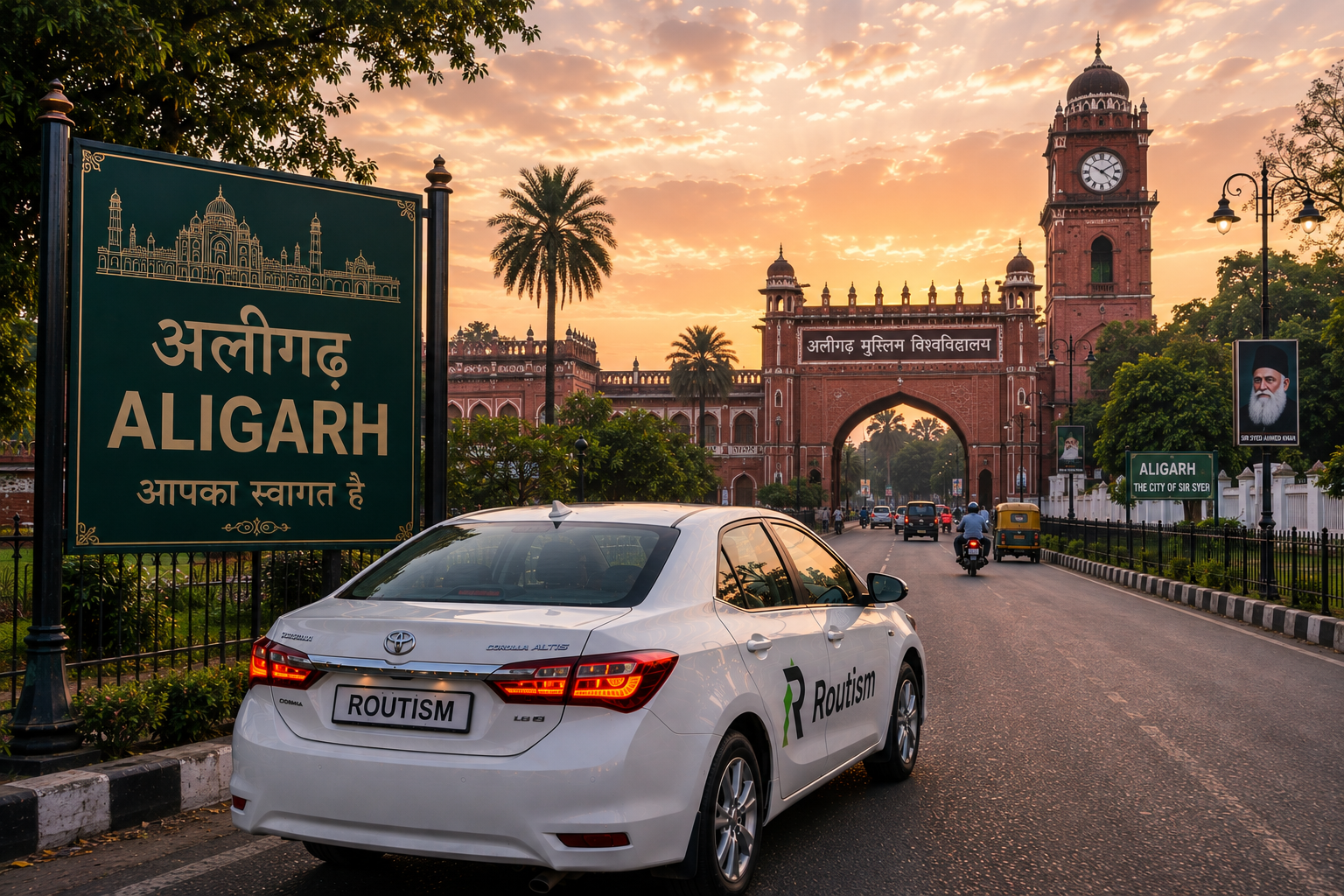
Aligarh, a historic trading city in western Uttar Pradesh roughly 140 km southeast of Delhi and 330 km northwest of Lucknow, carries two distinct identities that shape almost everything about how its 1.2-million-plus population moves through the city every day. It's globally known as "Tala Nagri" — the City of Locks — home to an estimated 6,000 to 10,000 lock-manufacturing units that together produce roughly 75% of India's locks and support an informal workforce of around 200,000 people. And it's the "Mecca of Education," home to Aligarh Muslim University, whose 467-hectare residential campus hosts some 38,000 students and over 1,500 faculty, feeding a dense student and academic-staff population out into neighbourhoods like Marris Road, University Road, Shamshad Market, Dodhpur and Sir Syed Nagar.
Routism is a mobility platform that connects customers with verified drivers to make everyday and long-distance travel safe, secure, affordable and convenient, and Aligarh — with its unusual split between a major university city and a dense small-manufacturing hub, each with its own distinct daily travel pattern — is exactly the kind of city our network is built to serve. As part of our roadmap to cover all of Uttar Pradesh from our headquarters in Lucknow, join the waiting list to get early access the moment Routism opens matching in Aligarh.
Aligarh's daily mobility challenge comes from the sheer scale of its two core populations moving in different directions at once. On one side, the lock industry alone spans thousands of registered and unregistered factories concentrated in the Old City around Uparkot, Jamalpur and the Sasni Gate and GT Road industrial estates — a workforce numbering in the hundreds of thousands that travels fixed routes to fixed workshops every single day, much of it on foot, cycle-rickshaw or shared auto rather than any coordinated system. On the other side, AMU's tens of thousands of students and staff generate a constant flow of campus, market and city travel that ripples out through the neighbourhoods surrounding the university.
The city itself is physically split by this divide — the Kath Pula overbridge near the railway station marks the boundary between the upscale, colonial-era Civil Lines belt, home to AMU, the district collectorate and posh residential colonies, and the Old City or "Sheher," home to most of the lock factories. That split geography means a huge share of Aligarh's daily travel is genuinely cross-city: workers, students, traders and professionals moving between two halves of Aligarh that grew up with very different characters, on a road network that has to serve both at once.
Routism runs on three core booking systems, each suited to how people actually move through Aligarh — whether they're AMU students, lock-industry workers, or traders and residents making the same local trip every week.
Book a ride to match your exact need, with competitive fares and rating-based transparency behind every driver.
Shared Booking matches customers travelling on similar Aligarh routes at similar times. Enter your pickup and drop-off, and Routism identifies compatible co-riders heading the same way — for a daily campus or workshop commute, a station transfer, or a long intercity drive to Delhi or Lucknow. When a match is available, co-riders join the same booking and split the cost between them.
Shared Booking helps to split travel costs, make journeys more affordable, reduce unnecessary empty seats, improve overall vehicle utilisation, potentially reduce the number of vehicles needed on the same route, ease traffic congestion on Aligarh's busiest cross-city corridors, and turn a routine commute into a more connected, social way of travelling. It supports local, one-way, outstation and round-trip journeys, depending on route compatibility — same direction, same journey, less cost, better utilisation.
Daily Commute is built for people who travel the same Aligarh route at the same time, day after day — lock-industry and manufacturing workers, AMU students and faculty, traders, teachers, and any other regular commuter making the same journey repeatedly. Instead of creating a fresh booking every day, set up a recurring booking for multiple days at once. Routism connects you with suitable drivers and co-commuters on a compatible route and schedule, with route matching, time matching, daily reminders and a predictable, reliable arrangement for everyday commuting — a real commute partner instead of a different arrangement every single week. The recurring booking continues until you or your driver cancels it.
For customers: stop searching for the same ride every day — set your route once and commute with ease. For drivers: build regular customers and spend less time searching for new bookings every day.
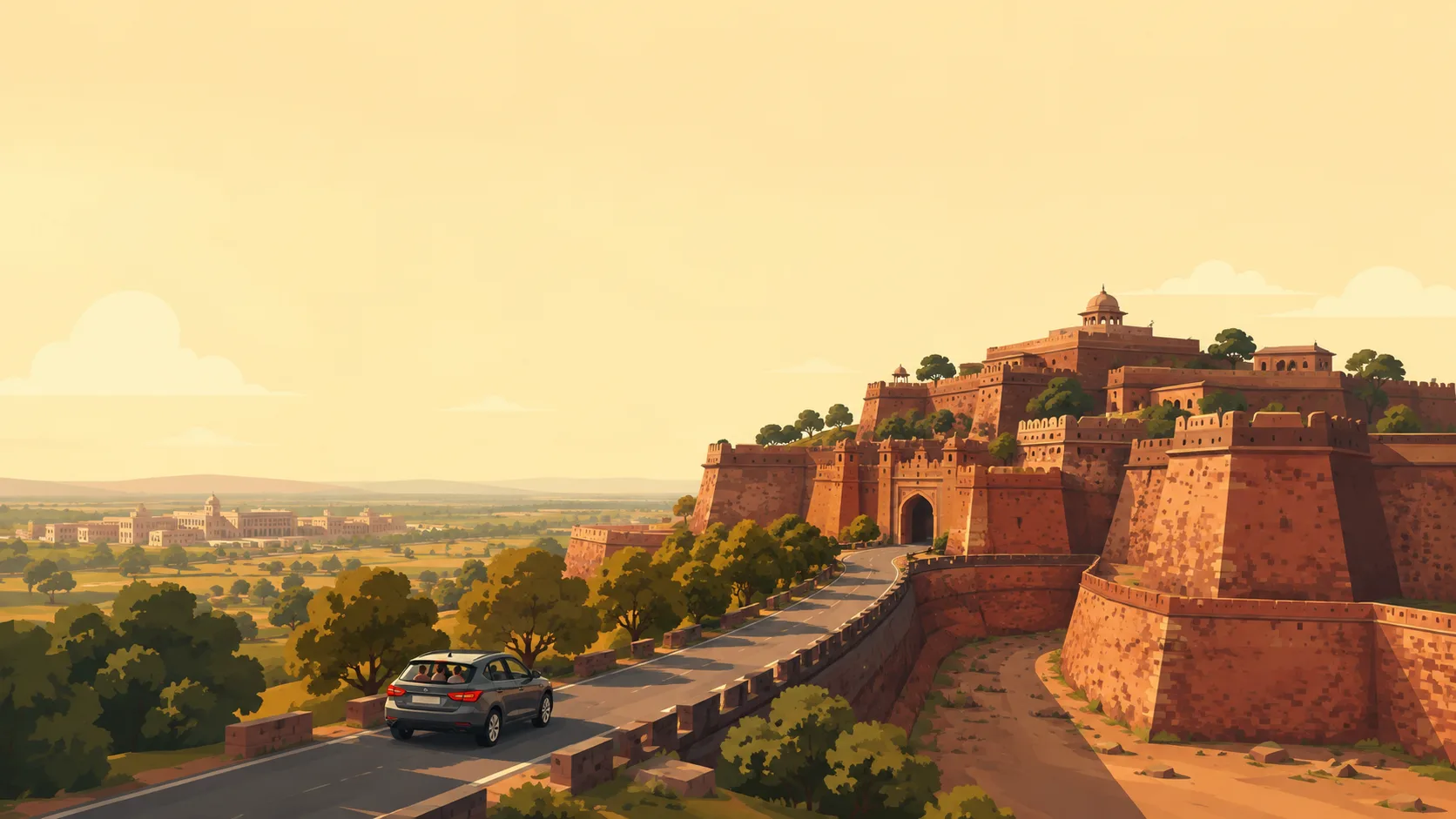
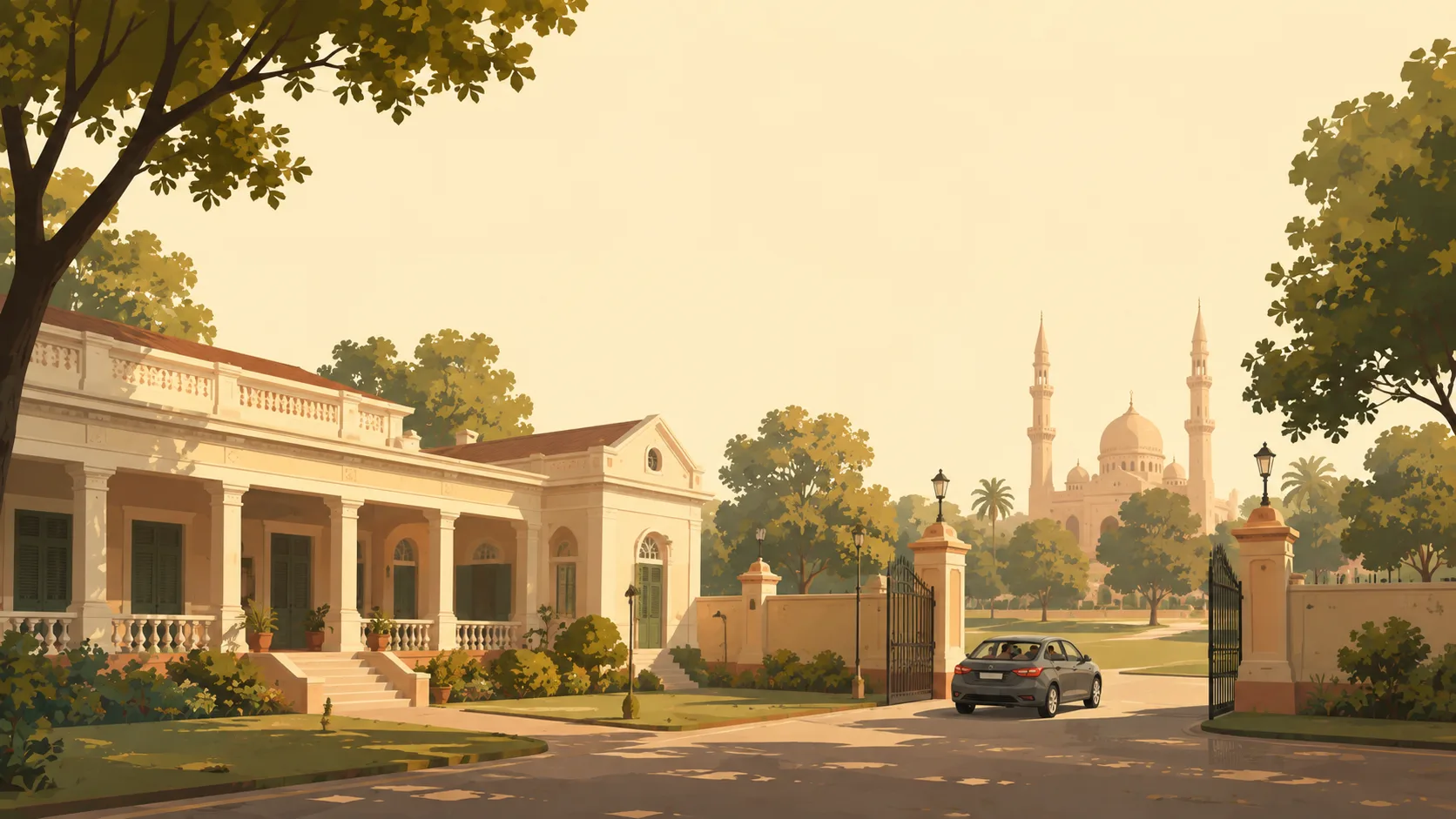
Aligarh's daily travel spans two very different urban zones. Civil Lines, the colonial-era administrative belt, is home to AMU's campus, the district collectorate, the railway station and Aligarh's most established residential colonies. Marris Road and University Road anchor much of the city's commercial and student-facing activity closest to campus, alongside Shamshad Market, Dodhpur and Sir Syed Nagar, which house a dense belt of student paying-guest accommodation. Across the Kath Pula overbridge, the Old City (Sheher) and the manufacturing zones around Uparkot, Jamalpur, Sasni Gate and the GT Road industrial estates anchor Aligarh's lock-making economy and generate heavy daily worker travel of their own.
Popular routes we expect to prioritise at launch: Civil Lines ↔ Old City, AMU campus ↔ Dodhpur/Sir Syed Nagar, transfers to and from Aligarh Junction, local trips to the GT Road industrial belt, and Outstation Rides on Aligarh ↔ Delhi and Aligarh ↔ Lucknow. Join the waiting list and tell us your own route — it directly shapes which Aligarh corridor we switch on first.
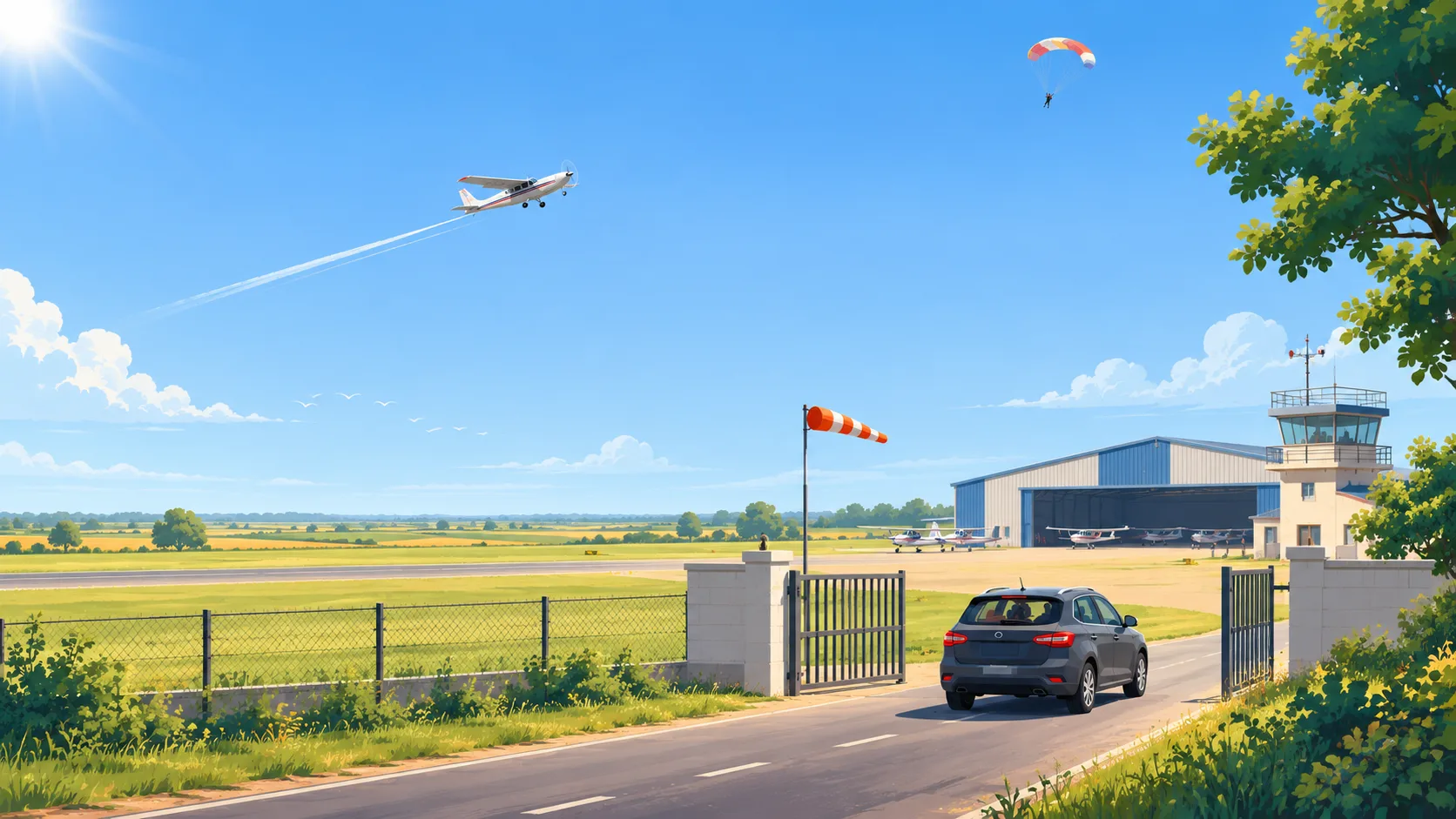
Aligarh sits on the historic Delhi–Howrah rail line, with Aligarh Junction as a major stop offering frequent connections to Delhi, Agra, Kanpur, Lucknow and Meerut. On the road, National Highway 91, along with other state highways, links Aligarh directly to Delhi, Agra, Mathura and Kanpur. The city also gained its own domestic airport — Aligarh Airport (HRH) at Khangarhi — which opened in March 2024, though flight frequency remains modest as service builds up; most air travellers still rely on Delhi's Indira Gandhi International Airport, roughly 140 km away, connected to Aligarh by taxi, train or bus.
For travellers arriving at any of these points — students moving in for the semester, lock-industry buyers visiting factories, or professionals in for a short trip — a verified Routism Ride or a cost-split Shared Booking is a more predictable way to complete the journey across the city than negotiating a fresh auto or cycle-rickshaw fare at every stop.
Aligarh's position on the Delhi–Howrah corridor and the Ganga-Yamuna Doab plains makes Outstation Rides and Shared Booking especially useful here. Aligarh to Delhi, roughly 140 km, is one of the city's busiest business and trade corridors, carrying steady daily commercial traffic tied directly to the lock export trade and AMU-linked family travel. Aligarh to Agra and Aligarh to Mathura, both relatively short hops, see consistent business and pilgrim travel. Aligarh to Lucknow, roughly 330 km, connects the city to the state capital for administrative, business and family trips, while Aligarh to Kanpur links two of western and central Uttar Pradesh's major commercial hubs.
Instead of paying full fare for a solo cab across any of these routes, a traveller can book an Outstation Ride directly, or join a Shared Booking with another traveller already heading the same way — turning one drive into a shared, cheaper trip for everyone on it. Round-Trip Rides cover the same corridor out and back in a single booking, useful for a same-day Delhi business trip. Read more about the broader Uttar Pradesh intercity network on the Uttar Pradesh state page, and see how the corridor works from the other end on the Lucknow city page.
Few Uttar Pradesh cities have two daily commute populations as distinct as Aligarh's. The lock industry runs largely on daily-wage labour, with an informal workforce estimated at around 200,000 people whose travel is price-sensitive and bazaar-bound — exactly the kind of fixed-route, fixed-hours pattern that Daily Commute is designed around, whether that's a shared commute for a small group of factory workers or a trader's regular run between a workshop and a wholesale market. At the same time, AMU's 38,000 students and 1,500-plus faculty generate their own steady demand for campus-to-market and campus-to-station travel, much of it repeated week after week during term time. A shared commute for a group of workshop colleagues, or students sharing a ride between their PG accommodation and campus, can meaningfully cut what each person spends on daily transport — while easing pressure on the roads connecting Aligarh's two very different halves.
Aligarh's lock-making tradition runs deep — the industry is roughly 140 years old, built originally on the easy local availability of raw materials and reliable power supply, and grew over generations into the export-quality manufacturing base the city is known for today, alongside allied trades in brass fittings, glass and thermometers that developed in parallel. That same period saw the founding of what became Aligarh Muslim University, established as a centre of modern education that grew into one of India's most prestigious institutions and gave the city its other enduring nickname, the Mecca of Education. The two identities didn't just coexist — they shaped the city's physical geography, with the Kath Pula overbridge still marking the line between the university-and-administration side of Aligarh and the workshop-dense Old City where most of the locks are actually made.
That dual character is also why Aligarh's road network carries such a distinctive daily load: unlike a single-industry manufacturing city or a single-campus university town, Aligarh's traffic reflects two overlapping economies moving through the same streets, often at the same hours, with very different destinations in mind.
Verified drivers. Every driver on Routism goes through a verification process before their profile can accept a booking, so Aligarh customers — including students living away from home for the first time — connect with people who have actually been checked.
Affordable travel. Competitive fares across Rides, plus cost-splitting through Shared Booking, help Aligarh's students, lock-industry workers and traders reduce what they spend without giving up convenience.
Flexible booking. Choose between Local, One-Way, Outstation or Round-Trip Rides, a Shared Booking, or a recurring Daily Commute — whatever the trip actually needs, whether it's a workshop shift or a Delhi business trip.
Ratings and trust. Customer and driver ratings build transparency and accountability into every match, so decisions about who to travel with in Aligarh are based on real signals, not guesswork.
Better vehicle utilisation. Shared bookings make fuller use of the seats already on Aligarh's roads, instead of adding more half-empty vehicles to an already busy Civil Lines–Old City corridor.
Recurring connections. Daily Commute lets Aligarh's factory workers, students and traders build long-term travel relationships instead of repeatedly searching for a new booking every single day.
Trust matters enormously in a city where a large share of daily travellers are students living away from home for the first time, alongside factory workers and traders who depend on predictable, affordable transport every single day. Every driver on Routism completes verification before their profile can accept a booking. Fares are transparent and agreed before the trip starts — never haggled over on the roadside once you're already committed. And ratings from both customers and drivers keep the whole Aligarh community accountable over time. Full detail on this process is on the how it works page, and specific questions are answered on the FAQ.
Most people in Aligarh today get around using auto-rickshaws, cycle-rickshaws, informal shared tempos, taxis or local buses — a mix that works reasonably well for short hops but offers little consistency for a daily commute or an intercity trip. Negotiating an auto or rickshaw fare on the spot means paying whatever the moment's demand allows. A solo taxi means paying full fare for a trip that could easily be shared, especially for the Delhi and Agra corridors that carry so much of the city's business and family travel. And informal shared transport, while cheap, offers no verification, no fixed fare, and no reliability from one day to the next — a particular concern for students and out-of-town visitors unfamiliar with the city.
Routism sits in between: close to the door-to-door convenience of a private vehicle, at a fraction of the cost of travelling alone, with verification and a rating system that neither an informal shared auto nor a random roadside negotiation can reliably offer.
The process is short, whether you're commuting daily to a lock workshop or planning a one-off Outstation Ride to Delhi:
For now, the first step is the waiting list — it's how early access, founding member status and route priority get decided as Aligarh's matching network comes online.
Common questions about Smart, Safe & Affordable Mobility in Aligarh — Routism.
Is Routism available in Aligarh yet? Aligarh is part of Routism's Uttar Pradesh expansion roadmap, following our launch in Lucknow. Join the waiting list for early access as matching opens in the city.
Can Routism help with railway station or airport transfers in Aligarh? Yes — One-Way and Local Rides are built exactly for transfers from Aligarh Junction or Aligarh Airport to your home, hostel or workshop.
Can I book a shared ride from Aligarh to Delhi? Yes — Outstation Rides and Shared Booking both cover the Aligarh–Delhi corridor, along with routes to Agra, Mathura and Lucknow. See the Lucknow city page and the Uttar Pradesh state page for more on these corridors.
Is there a Routism option for AMU students commuting from PG accommodation? Yes — Daily Commute matches you with riders and drivers whose route and days genuinely overlap, which fits regular campus commuting from Dodhpur, Sir Syed Nagar or Shamshad Market as well as standard office travel.
How does Routism keep rides in Aligarh safe? Every driver completes a verification process before a booking is offered, fares are transparent and agreed upfront, and a customer-and-driver rating system keeps the community accountable — a particular reassurance for students living away from home. Details are on the how it works and FAQ pages.
Is there a Routism option for lock-industry shift workers in Aligarh? Yes — Daily Commute matches you with riders and drivers whose route and working hours genuinely overlap, which fits Aligarh's factory and workshop shift patterns as well as standard office commutes.
Routism — safe journeys, smart connections, better mobility. Starting from Lucknow. Available across Uttar Pradesh.
Join the waiting list with your name, mobile number, email and route to get early access the moment Routism opens in Aligarh. Explore the broader network on the Uttar Pradesh state page, see how the Aligarh–Lucknow corridor works from our headquarters city on the Lucknow page, or read how Routism works.
End of Aligarh city page content.